
The Peacemaker: Remembering U Thant @ UN80
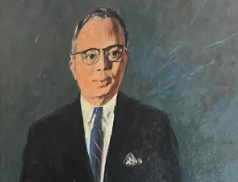
In a world today divided by shadows of conflict, few figures stood as tall as U Thant, the third Secretary-General of the United Nations (1961–1971). As the first non-European to lead the UN, he brought a unique perspective of “Third World” neutrality and Buddhist calm to the height of the Cold War.
Why His Legacy Still Matters
U Thant wasn’t just a diplomat; he was a bridge-builder during some of the most dangerous moments in human history.
The Cuban Missile Crisis: In 1962, as the world teetered on the edge of nuclear war, Thant’s quiet, persistent mediation between JFK and Khrushchev provided the “breathing room” needed to de-escalate.
Decolonization: He was a fierce advocate for the independence of nations, overseeing the entry of dozens of newly sovereign African and Asian states into the UN.
Environmental Pioneer: Long before “sustainability” was a buzzword, Thant organized the first major UN Earth Summit and established the United Nations Environment Programme (UNEP).
He also founded the United Nations University (UNU) in Tokyo, as well as helped end the civil war in the Congo.
A Philosophy of “Quiet Diplomacy”
Coming from Myanmar, Thant’s approach was rooted in his Buddhist faith. He believed in detachment—not from the world’s problems, but from the ego and biases that often prevent peace. He once said: “The world will not change for the better unless individuals exert themselves to change.”
Today, as we navigate new global challenges, U Thant’s vision of a “united” world remains our North Star. He proved that even in the face of superpowers, a soft-spoken teacher from a small town could steer the world away from the brink.
#UThant #UnitedNations #Peacekeeping #History #Diplomacy #GlobalLeaders


